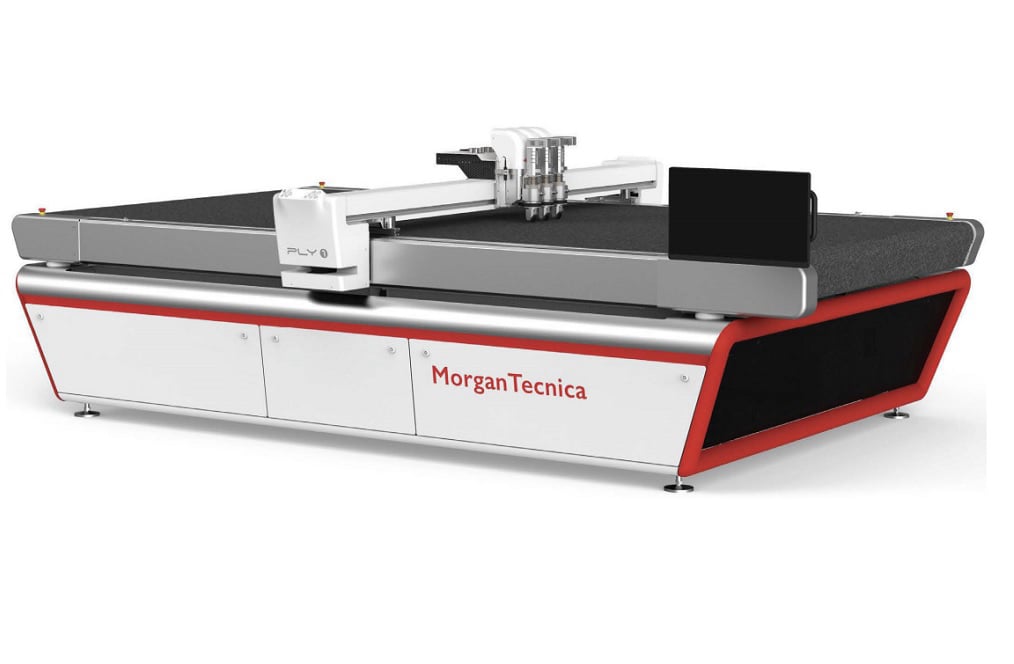
Mattress Cutting Machines: Precision and Efficiency in Mattress Production
Accurate cutting is fundamental to mattress manufacturing because almost every stage that follows depends on components being produced to the correct dimensions. Foam layers, quilted panels, fabrics and other materials must fit together accurately during assembly, and relatively small cutting variations can become more noticeable as these individual components are combined into the finished mattress.
Mattress Cutting Machines are designed to prepare materials efficiently and consistently for subsequent manufacturing operations. Depending on the mattress construction, specialist equipment can be used for cutting foam, trimming quilted panels, preparing textile components and processing other materials used within the finished product. The appropriate machinery depends on material type, required dimensions, production volume and the level of automation within the factory.
Modern mattress manufacturing involves a particularly wide variety of materials. A pocket-sprung mattress might combine a spring unit with insulation, several foam or fibre layers and quilted outer panels, while an all-foam mattress can contain multiple foams with different densities and characteristics. Hybrid products introduce further combinations, meaning one cutting technology will not necessarily be suitable for every component.
Foam processing is a major part of many production environments. Manufacturers can receive foam in large blocks or sheets that need to be converted into accurately sized mattress components. Cutting equipment allows these materials to be divided according to the dimensions and thicknesses required for individual product specifications.
Accuracy becomes especially important when several layers are stacked together. If each component differs slightly from its intended dimensions, the combined mattress construction can become difficult to align. Consistent cutting at the beginning of production therefore helps simplify later assembly.
Material utilisation is another important consideration. Foam, textiles and specialist mattress materials represent a significant manufacturing cost, so unnecessary offcuts can directly affect profitability. Efficient cutting plans can help manufacturers obtain more usable components from each block, sheet or roll of material.
Cutting Foam, Fabric and Quilted Panels
Different materials require different cutting methods. Foam can vary substantially in density, thickness and flexibility, while textile panels behave differently because they can stretch, move or distort during processing. Machinery needs to control these characteristics while maintaining the dimensions specified for the product.
Horizontal and vertical foam cutting systems can be used to divide larger foam blocks into sheets or individual components. More sophisticated equipment can provide computer-controlled cutting for shapes and profiles that would be difficult to reproduce consistently using manual methods.
This flexibility becomes useful where manufacturers produce zoned foam components, shaped comfort layers or specialist mattress designs rather than simple rectangular sheets.
Quilted mattress panels create a different challenge. Once fabric, foam and backing materials have been stitched together, the resulting quilted material needs to be cut or trimmed to the dimensions required for the mattress being manufactured. Accurate panel cutting helps ensure that the top and bottom sections align correctly with the mattress border during subsequent sewing and tape edging.
Suitable Mattress Cutting Machines can therefore form part of an integrated production process in which quilting, cutting and sewing operations follow one another in a controlled sequence. Automation can reduce the amount of manual measurement required while helping manufacturers reproduce the same dimensions across a large production batch.
Manufacturers producing several mattress sizes need machinery that can accommodate frequent specification changes. Single, double, king and super king mattresses require different component dimensions, while individual product ranges may also vary in depth and internal construction.
Computer-controlled systems can make these changes easier where regularly used specifications can be stored as production programmes. Operators can select the appropriate product rather than manually recreating measurements every time the factory changes to another mattress size.
This can reduce setup time while lowering the possibility of dimensional errors.
However, automation does not remove the need for quality control. The first components produced after a changeover should normally be checked to confirm that the selected programme, material and dimensions correspond with the intended mattress specification.
Material characteristics should also be monitored because even nominally similar materials can behave differently during cutting. Foam density, compression and temperature can potentially influence processing, while textile layers can move if they are not supported or tensioned appropriately.
Automation, Material Efficiency and Maintenance
The productivity of cutting equipment should be considered within the context of the complete mattress production line. A machine capable of preparing components extremely quickly provides limited overall benefit if quilting, sewing or assembly cannot process them at a similar rate.
Manufacturers should therefore examine production flow rather than focusing solely on maximum cutting speed. The objective is to provide downstream operations with the components they require without creating excessive quantities of unfinished stock between workstations.
Automation can help coordinate this process. Computer-controlled cutting systems can potentially work from predefined product specifications, allowing components to be prepared consistently for scheduled production runs.
Digital nesting or cutting optimisation can also improve material utilisation in suitable applications. Where several components need to be produced from the same material, software can arrange cutting patterns to reduce unnecessary waste.
The financial impact can become substantial at scale. Saving a relatively small percentage of material on each component can represent a meaningful reduction in waste when thousands of mattresses are manufactured.
Accurate cutting can reduce secondary waste as well. A component produced at the wrong dimensions may not become usable simply by trimming it again. Depending on the error, the complete piece of material could need to be discarded or diverted to another product.
Quality assurance at the cutting stage therefore protects both materials and the production time invested later.
Material handling should form part of equipment planning. Large foam blocks, rolls of textile and completed quilted sections can be awkward to move manually. Suitable tables, conveyors and lifting systems can help transfer materials into and away from the cutting area.
This can reduce unnecessary physical handling while helping components remain organised as they move towards the next manufacturing process.
Factory layout is particularly important when several cutting operations are involved. Raw materials should ideally enter the cutting area without repeatedly crossing finished or partially completed products. Cut components can then progress logically towards quilting, sewing or assembly.
Waste handling also deserves consideration. Foam cutting can produce offcuts and particles, while textile processing creates fabric waste and fibres. Keeping these materials away from machinery and production areas can improve housekeeping and reduce interference with moving equipment.
Depending on the materials and processes involved, manufacturers may be able to collect certain offcuts for recycling or alternative applications. Monitoring waste volumes can also help identify whether cutting patterns or production methods could be improved.
Maintenance is critical because cutting accuracy depends on machinery remaining correctly adjusted. Blades and other cutting components naturally experience wear and should be inspected according to their operating requirements.
A blade that has become blunt or damaged may produce rough edges, distort material or increase the force required during cutting. Replacing or servicing cutting components before quality deteriorates can help maintain consistent production.
Guides, belts, bearings, motors and positioning systems can also require routine attention. On computer-controlled machinery, sensors and electronic control systems become additional production-critical components.
Cleaning should be incorporated into the maintenance programme. Foam particles, fibres and other manufacturing debris can accumulate around moving mechanisms if they are not removed regularly.
Preventative maintenance becomes particularly important where a single cutting machine supplies components to several downstream production stages. An unexpected failure can quickly affect quilting, sewing and mattress assembly because those departments no longer receive the materials they require.
Keeping suitable consumables and frequently required replacement parts available can help minimise downtime. Maintenance records can also identify recurring faults and allow components to be replaced according to actual operating experience.
Operator training remains important even with highly automated equipment. Employees need to understand material loading, programme selection, dimensional checks and safe operating procedures. They should also be able to recognise changes in cutting quality, sound or machine behaviour that may indicate a developing problem.
Safety systems are especially important because industrial cutting equipment can contain rapidly moving blades and automated material-handling mechanisms. Guards, interlocks, sensors and emergency-stop systems should remain functional, while maintenance and blade changes should follow appropriate isolation procedures.
When investing in Mattress Cutting Machines, manufacturers should therefore consider much more than the maximum dimensions or cutting speed stated for the equipment. Material compatibility, cutting accuracy, automation, changeover times, waste reduction, maintenance requirements and integration with existing production processes all contribute to long-term suitability.
The right machinery should ultimately support the products the factory actually manufactures. A high-volume producer of standard mattresses may prioritise automation and throughput, while a specialist manufacturer could place greater importance on flexibility and the ability to produce unusual dimensions or shapes.
Accurate cutting provides the foundation for both approaches. When components reach quilting, sewing and assembly at the correct dimensions, subsequent operations become easier to control and finished products can be manufactured more consistently.
Ultimately, Mattress Cutting Machines provide the precision required to transform raw foam, textiles and quilted materials into accurately sized components ready for mattress assembly. Combining appropriate cutting technology with efficient material planning, quality control and preventative maintenance can improve consistency while reducing unnecessary waste and supporting a more efficient mattress manufacturing process.